
Enduring abuse, especially in a foreign country, is a deeply isolating and painful experience that no one should have to face alone. For immigrants facing such circumstances, the challenges often feel overwhelming; fear of retribution, uncertainty about legal options, and the emotional toll of abuse can make finding a way forward seem impossible.
The Violence Against Women Act (VAWA) provides hope and empowerment for abused spouses, children, and parents. Enacted by Congress in 1994, VAWA allows certain abused immigrants to seek legal status in the United States independently from their abusers. This confidential and independent process is known as a VAWA self-petition.
At Karlin & Karlin, we understand the importance of your rights and your safety. With the guidance of an experienced VAWA immigration attorney, you can take the first step toward reclaiming your independence and building a brighter, more secure future.
Table of Contents


VAWA Lawyer – Protect Your Rights Now
Your safety can’t wait. Our VAWA lawyers act quickly to file your petition confidentially and secure your legal protections. Take the first step today—call us now for immediate, confidential support.
What is the Purpose of VAWA?
VAWA immigration law was designed to protect immigrants who have suffered abuse at the hands of a U.S. citizen or lawful permanent resident (LPR) family member. Abusers often use immigration status as a means of control — withholding sponsorship or threatening deportation. With the help of an experienced VAWA immigration attorney, survivors can achieve independence and lawful status in the United States without their abuser’s knowledge or consent.
By enabling survivors to petition for legal status independently, VAWA empowers individuals to escape abusive environments and rebuild their lives. Survivors can apply for work authorization, access public benefits, and seek green card status, all while safeguarding their privacy.
VAWA Immigration Requirements: Who Qualifies and How to Apply
VAWA self-petitioning is open to both men and women who have experienced abuse from a qualifying family member who is a U.S. citizen or LPR. You may be eligible if you meet the following VAWA requirements:
- You are the spouse or former spouse of an abusive U.S. citizen or LPR
- You are the child (under 21 and unmarried) of an abusive U.S. citizen or LPR
- You are the parent of an abusive U.S. citizen, provided you were subjected to battery or extreme cruelty by your adult child
You must also show good moral character and that you lived with the abuser at some point. If you are divorced or your abuser has passed away, you can still file within two years of the divorce or death.
A skilled VAWA lawyer can review your case to ensure you meet all the VAWA requirements and file the strongest possible petition.
The VAWA Petition Process
The process begins with Form I-360, Petition for Amerasian, Widow(er), or Special Immigrant, filed with the U.S. Citizenship and Immigration Services (USCIS). This petition allows you to apply for immigration relief without your abuser’s participation or consent.
Supporting documentation is key to a successful VAWA petition. Evidence may include:
- Proof of your relationship to the abuser
- Evidence of the abuser’s U.S. citizenship or LPR status
- Documentation of abuse (police reports, restraining orders, medical records, or witness statements)
- Proof of residence with the abuser and your good moral character
Some survivors face legal barriers tied to inadmissibility, which may be overcome with the right type of waiver.
An experienced VAWA immigration attorney can help you gather the right evidence, prepare your forms accurately, and ensure confidentiality throughout the process.
Experienced Legal Help, Delivered with Care and Commitment.
Benefits of a VAWA Petition
Filing a VAWA petition opens the door to safety, stability, and independence for survivors of abuse. Some benefits are available while your case is pending, and others become available after the petition is approved. The sections below clarify both.
Benefits While Your VAWA Petition Is Pending
Obtain Work Authorization
While your VAWA petition or adjustment of status is pending, you may qualify for employment authorization, giving you the right to work legally and support yourself without fear of retaliation or dependency on your abuser.
Protection from Deportation or Removal
Filing a VAWA petition automatically grants protection from deportation while your case is under review. This safeguard allows you to remain in the country lawfully as your application is processed.
Eligibility for Public Benefits and Support Programs
If you receive a prima facie determination from USCIS, you may be eligible for certain public benefits such as housing, food assistance, or healthcare programs designed to support survivors during their transition.
Confidential Filing
You can file a VAWA petition without your abuser’s knowledge or involvement. This confidentiality helps protect your safety and gives you greater control over your situation.
Benefits After Your VAWA Petition Is Approved
Apply for Lawful Permanent Residence (Green Card)
Approved VAWA petitioners can apply for a green card and gain lawful permanent resident status, allowing them to live and work in the United States permanently.
Include Qualifying Children
If you are an abused spouse, you may include your unmarried children under 21 as derivatives in your petition, helping them also gain legal protection and immigration relief.
Pathway to U.S. Citizenship
Once you obtain a green card through VAWA, you may eventually apply for U.S. citizenship after meeting residency requirements.
VAWA Processing Time
The VAWA processing time can vary depending on the complexity of the case and the workload at U.S. Citizenship and Immigration Services (USCIS). On average, it may take 18 to 24 months for a VAWA case to be reviewed and decided. However, delays can occur due to incomplete applications, additional evidence requests, or changes in the applicant’s circumstances.
During this time, applicants should keep an eye on any USCIS communications and respond promptly to any requests for additional information. Additionally, those with an approved prima facie determination may qualify for certain public benefits, which can provide temporary relief during the waiting period.
Experienced Legal Help, Delivered with Care and Commitment.
Why Choose Our VAWA Lawyer
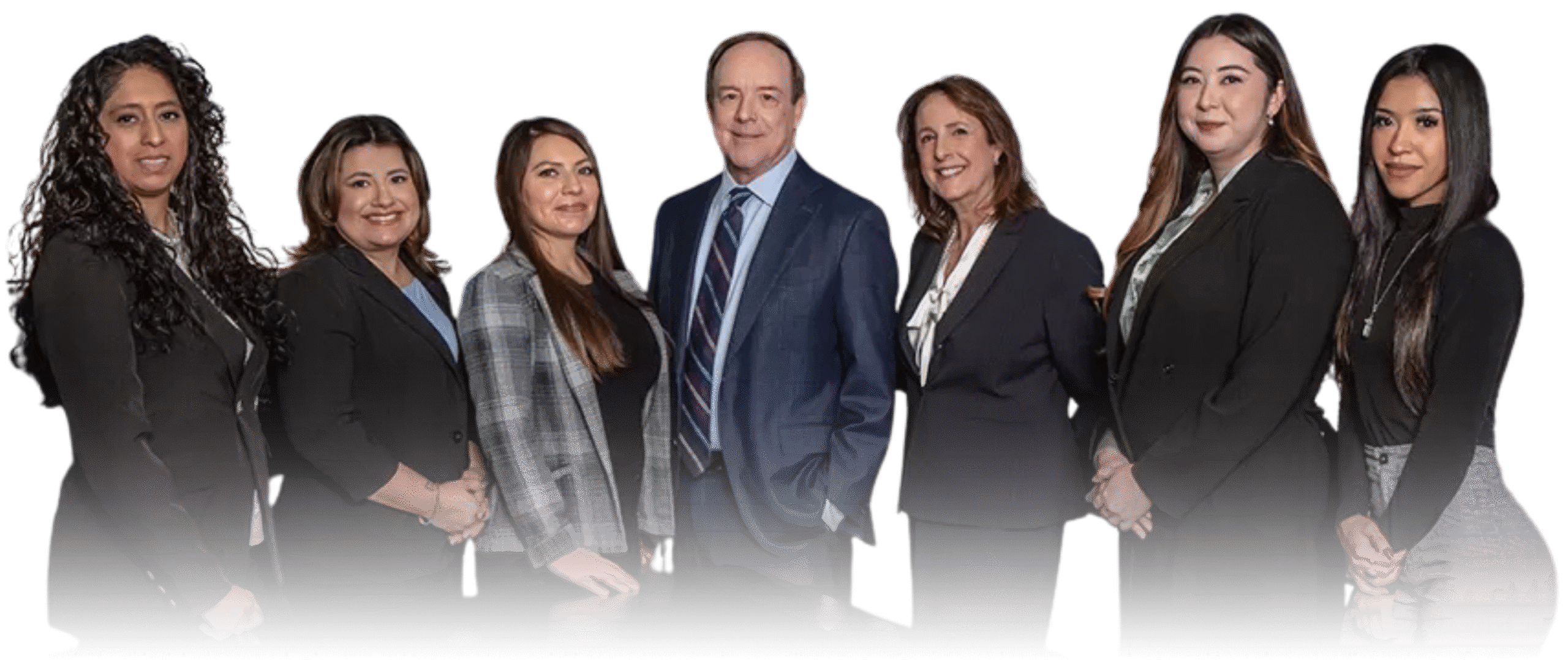
At Karlin & Karlin, our VAWA immigration attorney have decades of combined experience helping survivors of abuse navigate the VAWA process. We are deeply committed to supporting our clients with compassion, confidentiality, and respect.
Our team understands the sensitivity of these cases and provides trauma-informed representation, ensuring that you feel safe, heard, and supported every step of the way. We also offer multilingual services, with staff fluent in Spanish and other languages.
Whether your case involves USCIS proceedings or appearances before immigration courts, our firm can guide you through every stage of the process.
We are dedicated to standing on the side of survivors, protecting your rights and helping you move forward toward safety and a new beginning.
Frequently Asked Questions About VAWA Immigration
Do I need a police report to file a VAWA petition?
No. While police reports can strengthen your case, they are not required. Other forms of evidence, such as witness statements, medical documentation, or personal affidavits, are also accepted.
Will my abuser be notified about my VAWA petition?
No. VAWA petitions are strictly confidential. USCIS will not inform your abuser that you filed.
What if I entered the U.S. without inspection?
You may still qualify for a green card through VAWA. In many cases, waivers are available if abuse or other circumstances prevented you from obtaining legal status.
Can I include my children in my VAWA petition?
Yes. Unmarried children under 21 can be included as derivatives if you are filing as an abused spouse of a U.S. citizen or LPR.
What if my VAWA petition is denied?
You may be able to appeal, file a motion to reopen, or reapply with additional evidence. An experienced VAWA immigration attorney can help you determine the best path forward.
Can men apply for VAWA protection?
Yes. Despite its name, VAWA protections apply to all genders. Men and non-binary individuals who experience abuse by a qualifying family member can also file a VAWA self-petition.
Can I apply for VAWA if I am already in removal (deportation) proceedings?
Yes. You can still file a VAWA petition even if you are in immigration court. Your VAWA lawyer can coordinate your filing and request relief from removal while the case is pending.
Schedule a Consultation with a VAWA Immigration Attorney
If you or someone you know feels trapped in an abusive situation due to their immigration status, help is available. You are not alone. We’re here to help you find safety, strength, and hope.
An empathetic VAWA lawyer from Karlin & Karlin can review your case, explain your rights, and help you take the next step toward freedom and safety.
Contact our office today to schedule your free and confidential consultation. Together, we can help you begin a new chapter of independence and security.